
.png)

Brand Guidelines
Wall Spaces
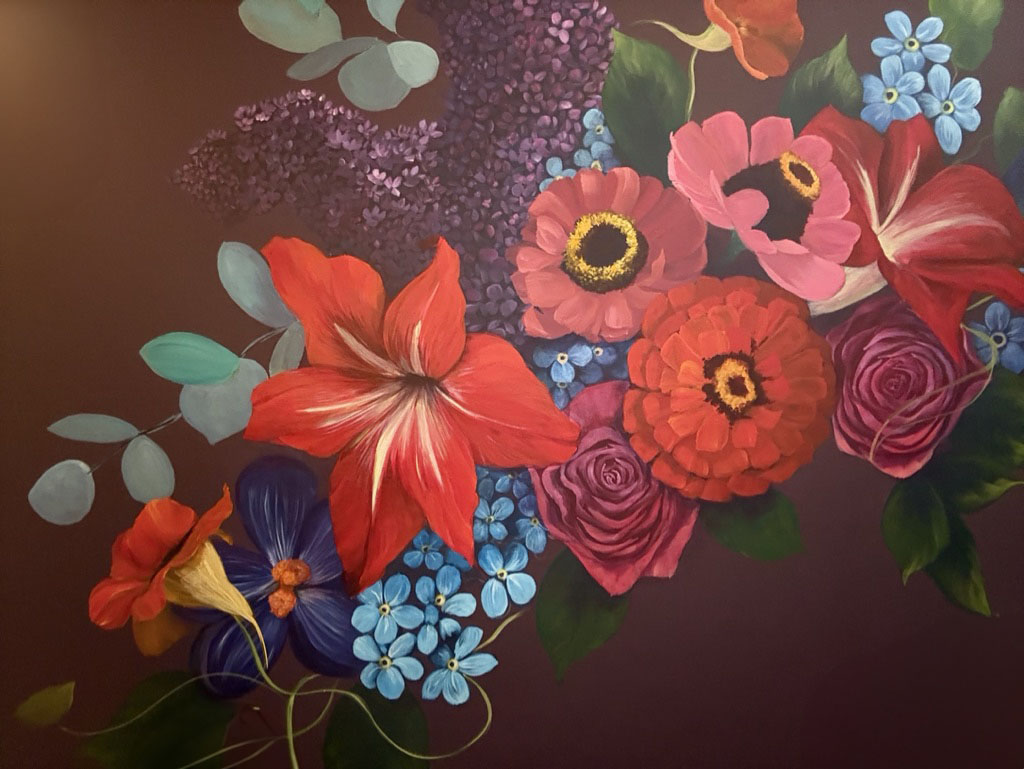
Murals are for both interior and exterior walls, creating artwork that enhances spaces from the inside out. Interior murals are designed to elevate workplaces, retail environments, and hospitality spaces—shaping atmosphere, reinforcing brand identity, and improving the everyday experience of those who use the space. Exterior murals activate building facades and public-facing walls, turning them into bold visual statements that increase visibility, attract foot traffic, and contribute to the surrounding community. Whether indoors or outdoors, each mural is thoughtfully scaled, site-specific, and crafted to endure—transforming walls into impactful, lasting features of the built environment.
Commercial and Residential Murals
Interior and Exterior Walls
School and Public Art Murals
Licensing of Artwork
Workshops and Classes
I follow theorical
working process
working process
04
I create impactful visual experiences through design and mural art that inspire communities and elevate brands.
[ 01 ]
Discovery & Research
Discovery and research are a key part of my process. I begin by understanding a company’s mission, audience, and goals, using research and collaboration to inform design decisions. This ensures the work is intentional, aligned, and effective.
[ 02 ]
Wireframing& Prototyping
I create wireframes and prototypes to bring ideas to life and test user experiences before final production. By mapping layouts, interactions, and workflows, I ensure designs are intuitive, functional, and aligned with the company’s goals, allowing for efficient iteration and clear communication with stakeholders.
[ 03 ]
Design System& Mockup
I develop design systems and mockups to ensure a company’s visual identity is consistent, flexible, and scalable. By defining components, typography, color, and layout standards, and creating realistic mockups, I help teams visualize and implement cohesive designs across digital and print platforms.
[ 04]
Design Validation& Implement
I focus on validating and implementing design systems to ensure they work effectively in real-world applications. This includes testing components, gathering feedback from stakeholders, and refining the system for usability, accessibility, and consistency. Once validated, I support seamless implementation across digital and print platforms, helping the company maintain a cohesive and scalable brand experience.
.png)
Skilled
design team
We work closely with your team to understand your mission, values, and goals, forming the foundation of your brand identity.
.png)
User-centric
design
User-centric design is an approach that places the needs, behaviors, and experiences of the end user at the center of the design process. It involves understanding users through research, empathy, and testing, and creating solutions that are intuitive, accessible, and meaningful. By prioritizing usability and real-world context, user-centric design ensures that products, services, and visuals effectively meet the people they are intended to serve.
.png)
Data-driven
approach
A data-driven approach to design relies on collecting and analyzing quantitative and qualitative information to guide decisions. By using metrics, user behavior insights, feedback, and research findings, designers can make informed choices about layout, functionality, and content. This approach helps ensure that designs are effective, measurable, and aligned with business goals while reducing guesswork and optimizing user experience.